
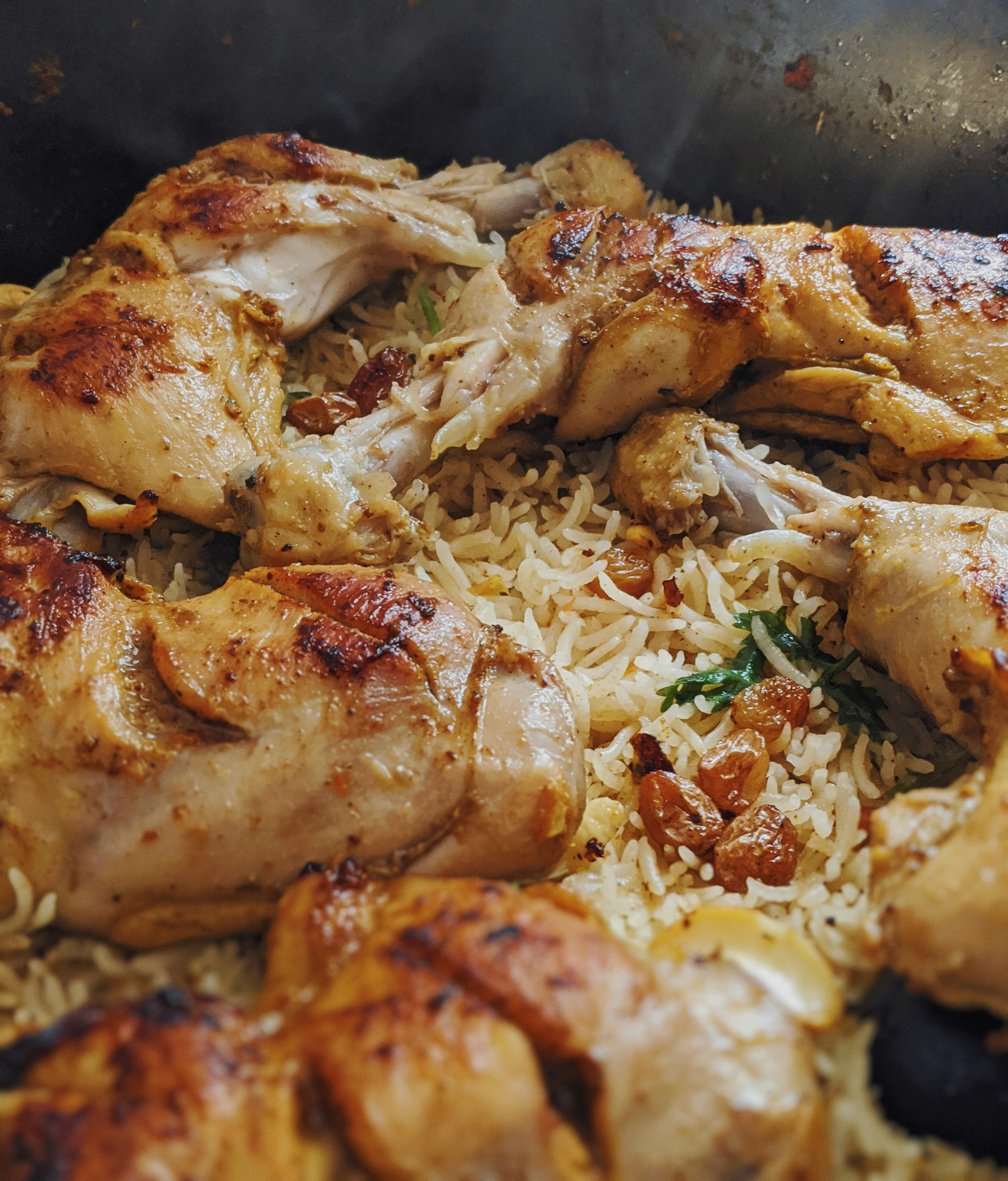
Introduction to Rojan Jush
Rojan Jush is a traditional dish from Kashmir that holds a significant place in the region’s cuisine. Known for its rich flavors and exquisite presentation, this dish is a staple at many local gatherings and celebrations. It is a dish that exemplifies the culinary heritage of Kashmir, often prepared with great care and attention to detail, which reflects the cultural values of the Kashmiri people.
The preparation of Rojan Jush involves a medley of high-quality ingredients, including tender pieces of meat, aromatic spices, and a carefully crafted gravy. The unique blend of spices, which typically includes cardamom, cinnamon, and cloves, contributes to its distinctive flavor profile. This dish is particularly famed for its balance of warmth and depth in taste, making it not only appealing to the palate but also comforting to enjoy, especially during the chilly months.
Rojan Jush is commonly served during festive occasions such as weddings, Eid celebrations, and family feasts, making it a symbol of hospitality in Kashmiri culture. Its preparation and presentation often become a focal point during gatherings, as it is believed that sharing this dish brings people together. Locals take pride in their Rojan Jush, and it has gained popularity among visitors to Kashmir who seek to experience genuine Kashmiri cuisine.
In summary, Rojan Jush is more than just a meal; it is a representation of the rich traditions and cultural significance of Kashmiri culinary practices. As it continues to be cherished by both locals and tourists, Rojan Jush remains an integral part of the gastronomical landscape of Kashmir, showcasing the area’s vibrant heritage through its delightful flavors and aromas.
Ingredients Needed for Rojan Jush
To prepare Rojan Jush, a traditional Kashmiri dish renowned for its aromatic flavors, it is essential to gather an assortment of quality ingredients. The dish primarily features lamb or goat meat, with the choice between leg or shoulder cuts preferred for their tenderness and richness when cooked. Approximately 1.5 to 2 kilograms of meat is suitable for serving four to six people.
Spices play a crucial role in defining the flavor profile of Rojan Jush. Essential spices include Kashmiri red chili powder, known for its vibrant color and mild heat. Additionally, ground coriander, cumin seeds, and garam masala are critical for layering the dish’s flavors. Whole spices, such as cardamom, cloves, and cinnamon, should be included as they contribute to the dish’s aromatic essence. A generous amount of salt is required, tailored to personal taste.
For a balanced richness, ingredients like ghee or mustard oil are recommended. Ghee is preferred for its ability to enhance the flavor, while mustard oil adds a distinct aroma. Furthermore, fresh ginger and garlic are fundamental, with about 50 grams each being ideal for ensuring the meat is well marinated.
It is customary to serve Rojan Jush with traditional accompaniments such as steamed rice or naan. Additionally, garnishing with freshly chopped coriander provides a fresh finish. When sourcing authentic Kashmiri ingredients, specialty stores or online markets that focus on Indian or specifically Kashmiri cuisine often offer the best selections. Should you encounter difficulties finding specific items, alternatives exist; for instance, one can substitute ghee with vegetable oil or use regular chili powder in place of Kashmiri red chili, although the color and flavor will differ.
Step-by-Step Preparation Process
Preparing Rojan Jush, a traditional Kashmiri dish, requires meticulous attention to detail to achieve its characteristic flavors. The preparation begins with selecting the right cut of meat, typically lamb or mutton, ensuring it contains appropriate marbling to enhance tenderness during cooking.
The first step in the preparation process is to marinate the meat. A common marination mixture includes yogurt, ginger-garlic paste, and a blend of traditional spices such as fennel, cardamom, and cumin. The meat should be generously coated in this mixture and allowed to marinate for at least four hours, preferably overnight. This extended marinating time amplifies the depth of flavor and tenderness.
Once the marination is complete, it’s essential to prepare for the cooking process. The next step involves heating ghee in a heavy-bottomed pot or a traditional Kashmiri brass vessel known as a “deg.” Ghee not only imparts a rich flavor but also prevents the meat from sticking during cooking. After the ghee reaches a suitable temperature, add the marinated meat, including any remaining marinade, and allow it to sear over medium-high heat. This initial browning step is critical as it caramelizes the meat, adding complexity to the dish.
After searing the meat for about 10 minutes, reduce the heat and cover the pot. Allow it to simmer for approximately one to two hours, depending on the meat’s tenderness. During this time, add water or stock to adjust consistency, but be cautious not to dilute the flavors. Stir occasionally to ensure even cooking and to prevent sticking.
As the meat cooks, it’s important to taste and adjust the seasoning, ensuring that the dish remains true to its Kashmiri roots. Typical spices to incorporate during cooking include saffron, which adds color and aroma, and dried fruits for sweetness. This layering of flavors is essential for authentic Rojan Jush.
Once the meat is tender and the sauce has thickened to the desired consistency, remove it from heat. Allow the dish to rest for a few minutes before serving, as this helps the flavors meld. Traditional accompaniments for Rojan Jush include fragrant rice and garnishes such as fresh coriander or fried onions, enhancing its appeal.
Serving Suggestions and Accompaniments
When it comes to serving Rojan Jush, it is vital to consider both the presentation and traditional accompaniments that truly enhance the dining experience. This Kashmiri lamb dish, rich in flavors and aromas, is best served hot to allow the spices to be fully appreciated.
Traditionally, Rojan Jush is accompanied by steamed rice, which acts as a perfect base, soaking up the sumptuous sauce. The rice should ideally be fluffy and well-cooked, providing an excellent contrast to the deep, aromatic flavors of the curry. In Kashmiri culture, it is common to serve the dish in a large, shallow bowl, allowing diners to easily access both the meat and gravy.
In addition to rice, several side dishes complement Rojan Jush beautifully. One popular accompaniment is kachar, a tangy cucumber salad, which adds a fresh crunch to the meal. Another enticing side is mooli kimchi, a fermented radish dish that imparts a bite of zest and tanginess, balancing the richness of the main course.
For beverages, you might consider traditional Kashmiri drinks like noon chai, a salted tea that provides a unique flavor pairing with the meal. Alternatively, kashmiri lassi, a yogurt-based drink, can offer a refreshing contrast to the spices found in Rojan Jush.
When enjoying this dish, proper etiquette plays an essential role in the cultural experience. Diners often use their right hand to serve themselves, reflecting a longstanding tradition of communal eating. Before starting the meal, it is customary to express gratitude. As for presentation, a garnish of fresh coriander or a sprinkle of saffron can elevate the visual appeal, making the dish not only delicious but also aesthetically pleasing.
These serving suggestions and accompaniments ensure that the experience of enjoying Rojan Jush aligns with the rich culinary traditions of Kashmir, enhancing both flavors and cultural appreciation.


Leave a Reply