
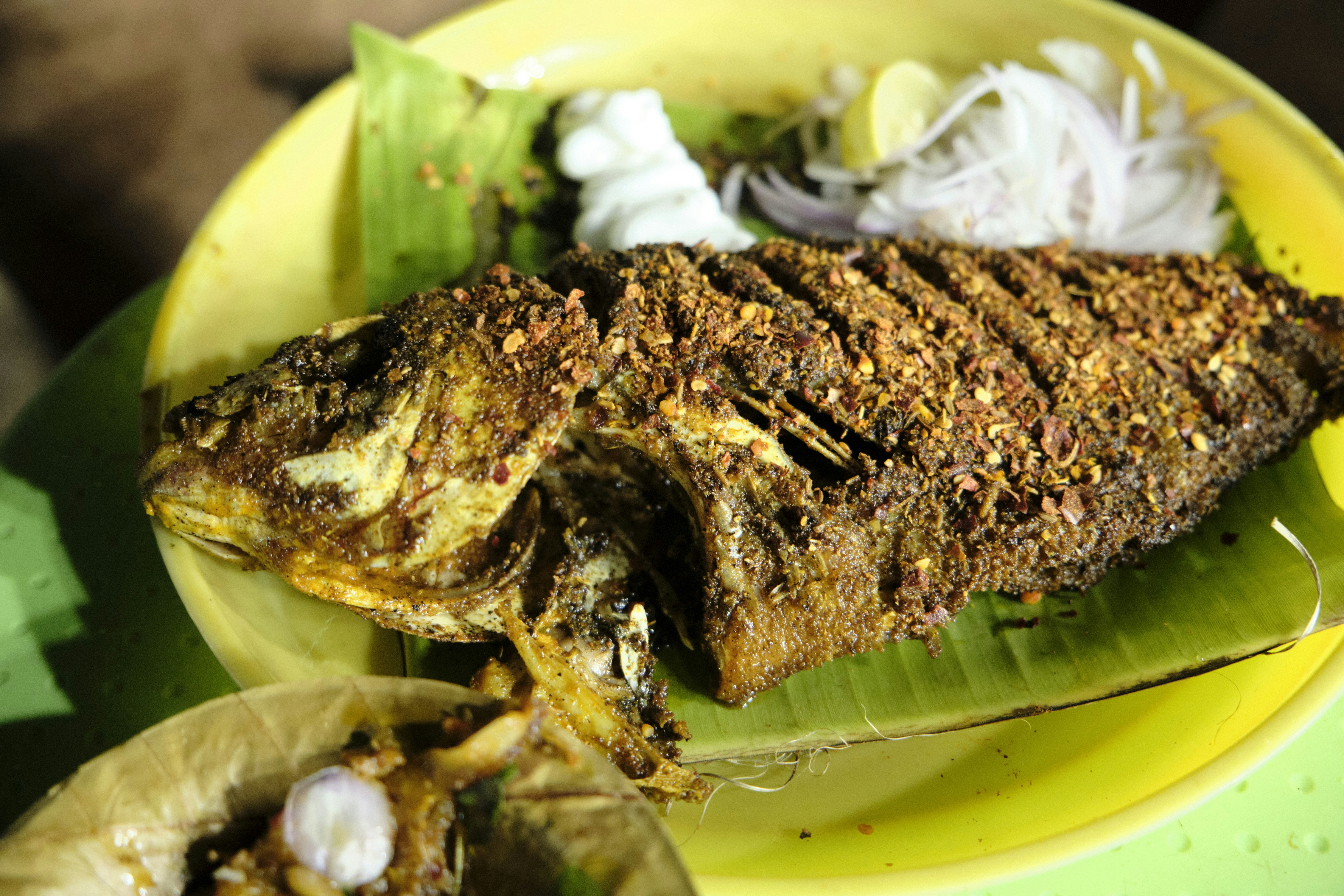
Understanding Kerala-Style Fish Kari
Kerala-style fish kari is a distinguished dish within the rich tapestry of Kerala cuisine, celebrated for its bold flavors and aromatic spices. Deeply rooted in the coastal region of Kerala, this dish primarily features fresh fish, often sourced from the Arabian Sea, which plays a significant role in the local economy and culinary traditions. The preparation of fish kari is not merely a cooking process but rather a cultural experience that reflects the heritage and lifestyle of the Keralite people.
One of the main distinguishing features of Kerala-style fish kari is the use of coconut, both in its grated form and as coconut milk, which lends a rich creaminess to the dish. This incorporation of coconut is a hallmark of Keralite dishes, contrasting with other fish curries across India that may utilize yogurt or a different base. Additionally, the use of spices such as turmeric, coriander, and fenugreek seeds sets fish kari apart by creating a unique flavor profile that is vibrant yet harmonious.
Unlike typical fish curries that may vary widely in preparation methods and spice levels, Kerala-style fish kari is noted for its balance of heat and aromatic components. This balance is often achieved through a careful blend of fresh ingredients and methods of cooking that enhance the inherent taste of the fish. The dish is usually simmered until the fish is just cooked through, ensuring it remains tender and succulent, rather than overcooked and dry.
Culturally, fish kari holds importance as a staple in many households, symbolizing family gatherings and celebrations. It is often enjoyed with rice, complementing the meal and providing a wholesome and satisfying experience. The way fish kari is prepared and served reflects not only the traditional culinary practices of Kerala but also the community’s connection to the sea, emphasizing the significance of fresh, local produce in daily life.
Essential Ingredients for Fish Kari
Preparing a traditional Kerala-style fish kari requires a harmonious blend of fresh ingredients to achieve that authentic taste that is characteristic of this cuisine. One of the staple components is, of course, the fish. Popular choices for fish kari include local varieties such as pomfret, sardines, or mackerel, all of which provide a rich flavor and tender texture suited for various cooking methods.
Aside from the fish, the success of this dish largely depends on the spices and aromatics used. A chief ingredient is turmeric, which not only imparts a vibrant yellow hue but also adds a warm, earthy flavor. Fresh ginger and garlic are also essential, lending their distinctive sharpness and complexity to the dish. Additionally, green chilies are often included for an authentic Kerala touch, providing both heat and a burst of freshness.
In terms of other spices, coriander powder and black pepper are significant, helping to create the depth of flavor that Kerala cuisine is known for. For those seeking a more aromatic experience, curry leaves are an indispensable addition, their unique scent transforming the dish into something truly special.
A part of the ingredients that is often overlooked is the use of tamarind or kokum, which adds a tangy dimension to the curry, balancing the spices and contributing to the overall flavor profile. Coconut milk is another critical component, providing creaminess and richness, and is a staple in many Kerala dishes.
When selecting ingredients for fish kari, freshness is paramount. Opt for fish that is firm to the touch and has a clean, ocean-like scent. Fresh spices are also recommended, as they significantly enhance the dish’s aroma and taste. Overall, the key to a successful Kerala-style fish kari lies in the quality and harmony of its ingredients, ensuring a truly flavorful culinary journey.
Step-by-Step Cooking Instructions
Preparing Kerala-style fish kari requires a systematic approach, ensuring that each step enhances the flavor and authenticity of the dish. Start by selecting fresh fish, such as pomfret or kingfish, which are popular choices in Kerala cuisine. The first step in the process is to marinate the fish. Begin by cutting the fish into suitable pieces, typically around one-inch thick, to allow for even cooking.
For marination, combine turmeric powder, red chili powder, salt, and the juice of one lime in a bowl. Coat the fish pieces thoroughly with this mixture and allow them to marinate for at least 30 minutes. This not only imparts flavor but also helps tenderize the fish.
While the fish is marinating, prepare the spice mix that distinguishes Kerala-style fish kari. Use a dry roasting method for spices like coriander seeds, cumin seeds, and black pepper until they release their aromatic oils. Let these spices cool, then grind them to a fine powder.
Next, heat coconut oil in a heavy-bottomed pan. Once the oil is hot, add mustard seeds and let them pop. Following this, introduce finely sliced onions and sauté until they turn golden brown. Incorporate chopped tomatoes and green chilies into the pan, cooking until the mixture thickens. At this point, add the ground spice mix along with the fish pieces, carefully stirring them to ensure they are coated with the spices.
To complete cooking, pour in coconut milk, allowing the curry to simmer. This step is crucial, as it ties all the elements together, resulting in a rich and creamy sauce. Adjust the seasoning to taste, ensuring that the balance of spices is perfect.
Finally, let the fish kari cook on low heat for about 15–20 minutes, or until the fish is cooked through and has absorbed the flavors of the spices. The dish is now ready to be served, generally accompanied by steamed rice or appam, making it a delightful addition to any meal.
Serving Suggestions and Variations
Fish Kari, a delightful dish that is representative of Kerala’s rich culinary heritage, offers a plethora of serving options and adaptations for those wishing to enjoy this flavorful meal. The traditional way of serving Fish Kari is alongside steaming white rice, which beautifully complements the spices and flavors inherent in the dish. The brightness of the fish combined with the aromatic curry creates a well-rounded experience when paired with the simplicity of rice.
In addition to rice, there are several side dishes that can elevate a Fish Kari meal. Common accompaniments include various types of flatbreads such as chapati or parotta, which can be used to scoop up the curry. Vegetables, whether stir-fried or steamed, can provide a colorful and nutritious balance, enhancing the meal. Additionally, a side of pickled vegetables or chutneys can introduce a tangy contrast that pairs exceptionally well with the savory notes of the Fish Kari.
For those looking to adapt the dish, various alternatives can be incorporated based on personal taste or ingredient availability. For example, one might consider substituting the type of fish used, exploring options such as salmon or mackerel, which can also hold up well in curries. Vegetarians can recreate a similarly flavorful dish by substituting fish with hearty vegetables like cauliflower or mushrooms, cooked in a similar spiced coconut gravy.
Spices and herbs can also be adjusted according to personal preferences. Incorporating fresh ingredients such as cilantro or different chili varieties can cater to those who enjoy varying levels of spice. Furthermore, adding ingredients like tamarind or lemon can introduce additional layers of flavor, making the dish even more versatile.
By experimenting with these serving suggestions and variations, one can create a customized Fish Kari experience that not only respects traditional roots but also embraces modern culinary creativity.



Leave a Reply