
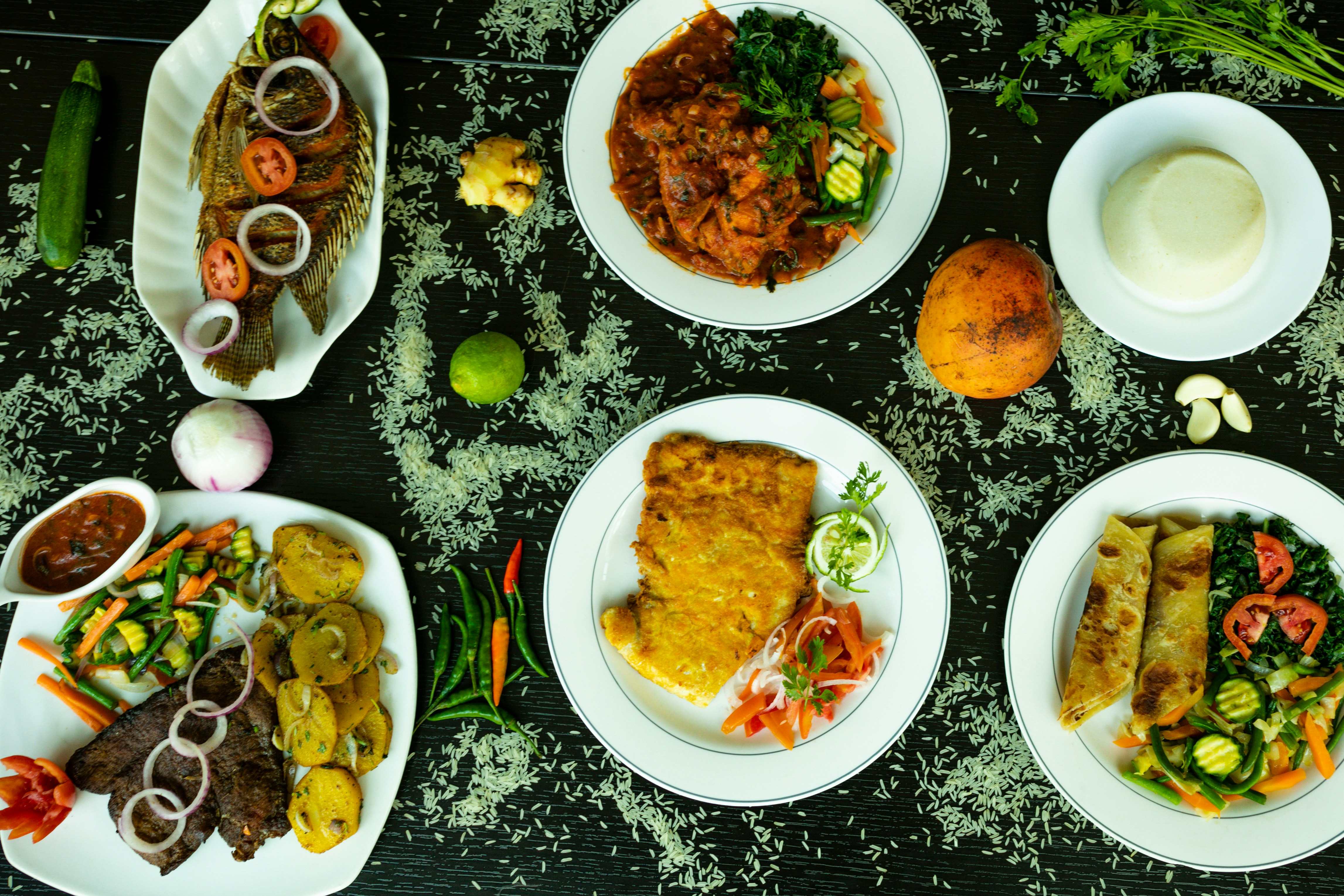
An Introduction to North East Indian Cuisine
North East India, a region known for its vibrant cultures and diverse traditions, offers a culinary landscape that is as rich and varied as its people. The food of this area reflects the unique geographical and historical influences that have shaped the lives of its inhabitants. Stretching from the lush hills of Meghalaya to the sprawling valleys of Assam, North East Indian cuisine is characterized by its distinctive flavors and use of locally sourced ingredients.
The culinary traditions of North East India are deeply intertwined with the cultural practices of its various ethnic groups. Each community brings its own set of ingredients, cooking techniques, and flavors, creating a tapestry of diverse food experiences. Staple ingredients often include rice, fish, meat, and an array of green leafy vegetables, which emphasize the region’s agricultural richness. Spices and herbs, such as bamboo shoots, fermented soybeans, and local chilies, add depth and uniqueness to the dishes, making them a true representation of the local palate.
Additionally, the cooking methods used in North East India are often reflective of the environment. Steaming, boiling, and grilling are common techniques that preserve the natural flavors of the ingredients. These methods not only enhance the taste but also contribute to healthier meals, as they often involve minimal oil and fat. Traditional dishes, such as “yongchak,” a local vegetable, and “nahkham,” a fermented fish specialty, exemplify the region’s innovative ways of transforming simple ingredients into nutritious meals.
Importantly, North East Indian cuisine offers significant health benefits. The emphasis on fresh produce and minimal processing aligns with modern dietary recommendations that encourage the consumption of whole foods. By integrating the culinary traditions of the area with contemporary health insights, one can appreciate not just the flavors of North East Indian cuisine, but also its potential contributions to a healthier lifestyle.
Bamboo Shoot Curry – A Flavorful Delight
Bamboo Shoot Curry is a staple dish widely appreciated in the diverse culinary landscape of North East India. This dish primarily features tender bamboo shoots, which impart a unique flavor and texture that is both delicious and nutritious. The primary ingredients include fresh bamboo shoots, which are often harvested from local forests, along with a variety of spices and herbs that enhance the dish’s overall richness.
The cooking process usually begins with soaking the bamboo shoots to rid them of any bitterness. After preparing the shoots, they are typically chopped and sautéed with an array of spices such as turmeric, cumin, and coriander, often combined with onions, garlic, and green chilies for added zest. Many variations also incorporate meat or fish, reflecting the region’s culinary traditions. The mixture is then simmered, allowing the flavors to meld and resulting in a rich and aromatic curry.
One of the remarkable aspects of Bamboo Shoot Curry is its health benefits. Bamboo shoots are low in calories, making them an excellent addition to any diet, particularly for those looking to manage their weight. They are also high in dietary fiber, promoting healthy digestion and providing a feeling of fullness. Furthermore, bamboo shoots are rich in vitamins and minerals such as potassium, which is essential for heart health.
Across North East India, various tribes put their own spin on this beloved dish. For instance, in some communities, the curry may lean towards a more sour profile by incorporating fermented ingredients, while others might add coconut milk for a creamier texture. Each variation tells a story of the local culture and the availability of ingredients, illustrating the region’s rich heritage in culinary arts.
Eromba – A Nutritious Mashup
Eromba is a celebrated traditional dish from North East India, particularly popular in Manipur. This delightful mashup is primarily made from a variety of fresh, local vegetables such as potatoes, colocasia, and greens, often blended with either fish or meat. The dish is not only known for its unique taste but also for its rich nutritional profile, making it a staple in many households.
To prepare Eromba, begin by selecting fresh vegetables which are abundantly available in local markets. Common choices include mustard greens, tomatoes, and beans. The cooking process typically involves boiling the vegetables until tender, which enhances their natural flavors. If fish or meat is included, it is usually cooked separately and then combined with the mashed vegetables. The key to achieving the perfect Eromba is to mash everything together until you reach a smooth but textured consistency. Seasoning can vary, with options ranging from local herbs to simple salt and pepper, depending on personal preferences.
The nutritional benefits of Eromba are significant. This dish is a good source of essential vitamins and minerals, owing to its vegetable content. For instance, the inclusion of dark leafy greens adds vitamin A and iron, while other vegetables contribute dietary fiber, supporting digestive health. By incorporating nutritious ingredients such as fish or meat, Eromba also provides high-quality protein, which is vital for muscle maintenance and overall bodily functions. The combination of these elements makes Eromba not only a wholesome meal but also an excellent choice for those looking to enhance their diet with natural, nutrient-rich foods.
In summary, Eromba represents the heart of North East Indian cuisine, showcasing the region’s commitment to using fresh, local produce. Its preparation is straightforward, and the nutritional value it offers is impressive, making it a worthwhile addition to any meal plan.
Khar – The Signature Dish of Assam
Khar is a traditional dish from Assam, renowned for its unique preparation and distinct taste. It derives its name from the key ingredient, ‘khar’, which is made from the filtered ashes of the sapan wood. This alkaline component sets Khar apart from other culinary delights in India, showcasing the rich cultural heritage of Assamese cuisine.
The cooking technique of Khar involves a simple yet effective process. The primary ingredients, besides the khar, include various vegetables, pulses, and fish or meat, depending on individual preferences. Common vegetables used are raw papaya and colocasia, which not only enhance the flavor but also add nutritional value. The dish is typically prepared by boiling all the components together, allowing the flavors to meld into a savory broth. This simple method preserves the health benefits of the ingredients while creating a wholesome meal.
One of the standout aspects of Khar is its numerous health benefits, largely attributed to the ingredients involved. The use of khar, being alkaline, is known to aid digestion. Additionally, the inclusion of vegetables such as papaya is beneficial as they contain enzymes that facilitate the digestive process. These vegetables are rich in vitamins and minerals, contributing to overall well-being. Furthermore, the combination of pulses in Khar provides essential proteins, making it not just a dish for the palate but also for health. Consuming Khar can help in maintaining a balanced diet, especially when paired with rice, a staple in Assamese households.
In essence, Khar represents more than just a meal; it embodies the culture of Assam, bringing together tradition, health, and flavor in a singular culinary experience.
Fish Tenga – A Deliciously Tangy Fish Dish
Fish Tenga is a traditional dish from the North East region of India that captivates culinary enthusiasts with its zesty flavor palette. This remarkable fish curry, distinctively prepared with tomatoes and various souring agents, stands out for its nutritional benefits and simplicity of preparation. To create this enticing dish, a few essential ingredients are required, ensuring an explosion of flavors and health benefits.
The preparation of Fish Tenga begins with the selection of fresh fish, typically species such as Rohu or Pomfret. Freshness is key, as it significantly enhances the dish’s overall taste. After cleaning and cutting the fish into bite-sized pieces, the first step is to marinate it with a sprinkle of salt and turmeric powder to boost its flavor. Together with this, ingredients like chopped tomatoes, green chilies, ginger, and garlic form the base of the curry.
In a cooking pot, pour in a little mustard oil, allowing it to heat up until it reaches a shimmering state. Then, add sliced onions and sauté until they become soft and translucent. Stirring in the ginger and garlic finely minced enhances the aroma, followed by the addition of the marinated fish. Gently fry the fish pieces for a few moments until they begin to change color. This process locks in moisture and flavor, making each piece delectable.
Next, add chopped tomatoes and a few green chilies into the pan. Allow them to simmer until the tomatoes soften and create a beautiful mélange of flavors. To achieve the signature tangy taste, incorporate souring agents such as tamarind paste or lemon juice at this stage. Cover the pan and let the curry cook until the fish is tender and thoroughly infused with the luscious, tangy flavors of the sauce.
Aside from its extraordinary taste, Fish Tenga carries numerous health benefits. Fish is well-known for being an excellent source of omega-3 fatty acids, which are essential for heart health. Regular consumption can lower blood pressure and reduce the risk of heart-related conditions. Thus, indulging in a bowl of Fish Tenga not only satisfies one’s taste buds but also contributes to overall well-being.
Pitha – Traditional Rice Cakes
Pitha, a beloved traditional food in North East India, holds a special place in the hearts of locals, especially during festive occasions. These rice cakes come in various forms, including both sweet and savory varieties, showcasing the region’s rich culinary heritage. The preparation of pitha typically involves the use of glutinous rice flour, which is combined with an array of natural ingredients based on the desired type.
The sweet versions of pitha often incorporate ingredients such as jaggery and coconut. One popular delicacy is the steamed ‘Puli Pitha,’ which is made by filling rice flour dough with a mixture of grated coconut and jaggery. The cakes are then shaped and steamed to perfection, resulting in a delightful treat that highlights the natural sweetness of the ingredients. Another common sweet variant is ‘Muri Pitha,’ where puffed rice is combined with sugar and shaped into small cakes.
On the other hand, savory pitha varieties often include fillings made from dals (legumes) or vegetables. For instance, ‘Sakhar Pitha’ is prepared with a filling of spiced mashed potatoes or lentils, wrapped in rice flour dough and then either steamed or roasted. This variety serves as a hearty snack, showcasing both flavor and nutrition.
The use of rice and legumes in the preparation of pitha not only provides a comforting taste but also contributes to the health benefits of these traditional rice cakes. Rice serves as a gluten-free carbohydrate source, while legumes add protein and essential nutrients. Together, they create a balanced dish that is both satisfying and nourishing. Furthermore, the natural ingredients used in pitha preparation ensure that these treats are free from artificial additives, making them a wholesome option for festivals and gatherings.
The Importance of Fresh Ingredients
Fresh, local ingredients are fundamentally important to the cuisine of North East India. This region is characterized by a unique agricultural environment, supported by a diverse climate that favors the cultivation of a wide range of fruits, vegetables, and herbs. The use of these fresh ingredients not only enhances the flavor of the dishes but also significantly boosts their nutritional value.
The climatic conditions in North East India vary significantly from the temperate to subtropical, allowing for the growth of both common and rare produce. For instance, the region is known for its variety of greens, root vegetables, and aromatic herbs, which are staples in local cooking. The rich, loamy soil found in many parts of this area also contributes to the vibrant flavor profile of the vegetables. When utilized in cooking, these fresh ingredients often come with superior health benefits, as they are harvested at their peak ripeness, thereby retaining essential vitamins and minerals.
Moreover, the agricultural practices in North East India often emphasize sustainable methods, such as shifting cultivation and organic farming. These practices not only support the local economy but also ensure that the ingredients are free from harmful pesticides and chemicals, making the cuisine inherently healthier. By sourcing ingredients locally, chefs and home cooks alike are able to create dishes that are not only flavorful but also mindful of health and nutrition.
The culinary landscape of North East India exemplifies how integral fresh ingredients are to the overall quality of food. The emphasis on local produce significantly shapes the cooking methods and flavor profiles, reinforcing a deep-rooted connection between the land, its farmers, and the community’s food culture. In conclusion, embracing the use of fresh, local ingredients is crucial in appreciating and understanding the richness of North East Indian cuisine.
Sustainability and Cultural Heritage in Cooking
In North East India, culinary practices are deeply intertwined with cultural heritage and sustainability, highlighting a unique approach to food that resonates with the values of community and environmental stewardship. Traditional cooking methods, often passed down through generations, utilize locally sourced ingredients that not only support the local economy but also ensure minimal ecological impact. This promotes a sustainable food system that adheres to the principles of seasonality and biodiversity.
The rich tapestry of North East Indian cuisine incorporates various indigenous methods, such as bamboo steaming, fermentation, and smoking, which are resource efficient and enhance flavors without the use of artificial preservatives or excessive energy. These practices generate less waste and utilize the entire food product, illustrating a profound respect for nature and its resources. Moreover, the focus on communal meals fosters a sense of connectivity among individuals, reinforcing social bonds while encouraging the use of sustainable food practices within families and communities.
Preserving food heritage is critical, as it safeguards not only the culinary skills but also the narratives and traditions associated with them. The act of cooking traditional recipes embodies cultural identity and collective memory, enriching the overall well-being of the community. Engaging in these time-honored practices helps to sustain not simply a diet but an entire lifestyle that values health and ecological responsibility. By recognizing and preserving these practices, North East India provides a model for sustainable cooking that can inspire broader movements aimed at protecting both cultural and environmental legacies.
Therefore, embracing the culinary treasures of North East India is more than an appreciation for food; it is an acknowledgment of the essential role that cultural heritage plays in fostering sustainability. The lessons gleaned from these traditional practices can lead to a deeper understanding of food systems that are both environmentally friendly and culturally meaningful. In conclusion, recognizing the significance of these culinary traditions is vital for promoting sustainable practices that benefit communities and ecosystems alike.
Conclusion: Embracing North East Indian Cuisine
In conclusion, North East Indian cuisine offers a wealth of health benefits and unique flavors that are both appealing and nourishing. This region is known for its use of fresh, locally sourced ingredients that not only enhance the taste but also contribute favorable health properties. The dishes are often rich in vitamins, minerals, and antioxidants, thanks to the emphasis on vegetables, herbs, and spices. Additionally, many culinary traditions in North East India involve healthier cooking techniques such as steaming and boiling, which help retain nutrients within the food.
The flavors of North East Indian cuisine are remarkably diverse, reflecting the cultural traditions and cooking practices of the various ethnic groups in the region. From the aromatic bhut jolokia pepper to the subtle hints of bamboo shoots and fermented foods, each dish tells a story of its origins. These unique flavors can be combined with modern cooking methods to create a delightful culinary experience. For food enthusiasts and home cooks alike, experimenting with recipes from this region can broaden their culinary repertoire while providing an opportunity for health-conscious cooking.
Embracing North East Indian cuisine is not just a gastronomic adventure; it is an invitation to explore a vibrant culture through its food. By trying your hand at cooking dishes from this region, you can enjoy the rich flavors while reaping the various health benefits that come with them. Attending local markets to source authentic ingredients and engaging in community cooking practices can further enhance your culinary journey. So, whether you’re looking to improve your health or simply seek new flavors to tantalize your palate, North East Indian cuisine is definitely worth exploring and incorporating into your kitchen staples.


Leave a Reply