
Restaurant-style butter chicken is all about balance: juicy chicken, a smooth tomato gravy, gentle warmth from spices, and enough butter and cream to make every spoonful feel luxurious without becoming heavy. This practical method uses a yogurt marinade, stovetop cooking, and a blended sauce so you can achieve a polished curry in a home kitchen.
Recipe at a Glance
- Preparation time: 25 minutes, plus 30 minutes marinating
- Cooking time: 35 minutes
- Total time: 1 hour 30 minutes
- Servings: 4
Ingredients
For the chicken marinade
- 600 g boneless chicken thighs, cut into 4 cm pieces
- 120 g plain thick yogurt
- 15 ml lemon juice
- 15 g ginger-garlic paste
- 1 tsp Kashmiri chilli powder
- 1/2 tsp ground turmeric
- 1 tsp ground cumin
- 1 tsp garam masala
- 1 tsp fine salt
- 15 ml neutral oil
For the makhani gravy
- 30 g unsalted butter, divided
- 15 ml neutral oil
- 1 small cinnamon stick
- 2 green cardamom pods, lightly crushed
- 2 cloves
- 1 medium onion, finely chopped, about 150 g
- 20 g ginger-garlic paste
- 500 g ripe tomatoes, chopped, or 500 g passata
- 1 tsp Kashmiri chilli powder
- 1 tsp ground coriander
- 1/2 tsp ground cumin
- 1 tsp fine salt, plus more to taste
- 250 ml water
- 20 g raw cashews, soaked in hot water for 15 minutes
- 1 tsp dried fenugreek leaves, crushed between your palms
- 80 ml cooking cream
- 1 tsp honey or sugar, optional
To finish
- 1 tbsp chopped coriander
- 1 tsp butter or cream for garnish, optional
Step-by-Step Instructions
- Marinate the chicken. Combine yogurt, lemon juice, ginger-garlic paste, spices, salt, and oil. Add the chicken and coat thoroughly. Cover and refrigerate for at least 30 minutes. Do not leave raw chicken at room temperature for extended periods.
- Cook the chicken. Heat a heavy skillet or grill pan over medium-high heat. Add a thin film of oil and cook the chicken in batches for 3 to 4 minutes per side, until browned and nearly cooked through. It will finish in the gravy. Transfer to a plate and keep separate from any uncooked marinade.
- Build the base. Heat the oil and 15 g butter in a saucepan. Add cinnamon, cardamom, and cloves for 30 seconds. Add onion and cook for 6 to 8 minutes until soft and lightly golden. Stir in ginger-garlic paste and cook for 1 minute.
- Cook the tomatoes and spices. Add tomatoes, chilli powder, coriander, cumin, salt, and water. Cover and simmer for 15 minutes, stirring occasionally, until the tomatoes are completely soft and the mixture looks glossy.
- Blend safely. Remove the whole spices if desired. Cool the mixture for a few minutes, then blend with the soaked cashews until very smooth. Hot liquids expand in a blender, so work in small batches, vent the lid, and hold it firmly with a folded towel.
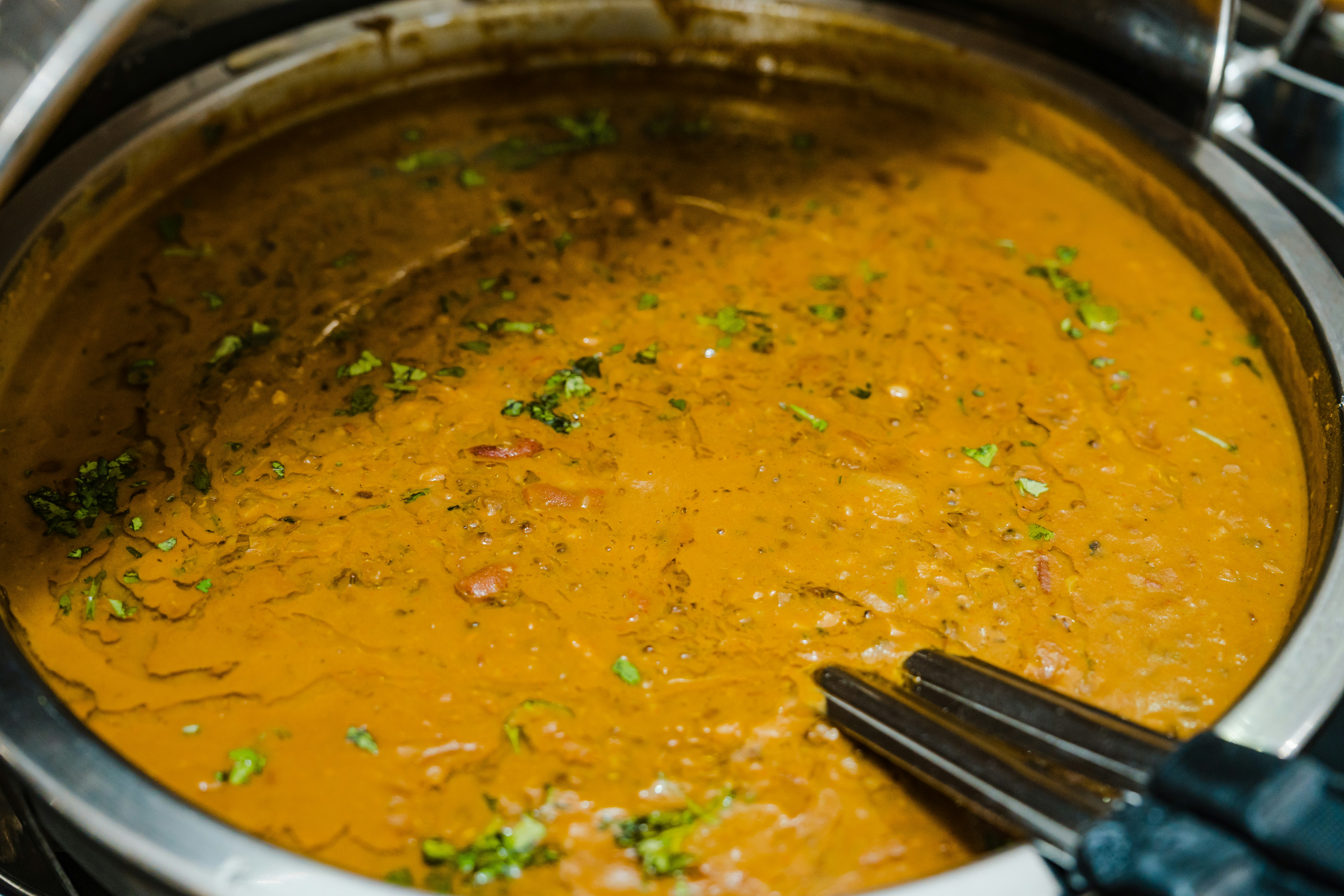
- Finish the gravy. Return the blended sauce to the pan and simmer gently for 5 minutes. Add the cooked chicken and any resting juices. Simmer for 6 to 8 minutes, until the chicken reaches 74°C at the thickest piece.
- Add richness without splitting. Lower the heat. Stir in remaining butter, crushed dried fenugreek, cream, and honey or sugar if the tomatoes are sharply acidic. Taste and adjust salt. Avoid a hard boil after adding cream.
- Rest and serve. Rest for 5 minutes, then garnish with coriander and a small swirl of cream or melted butter.
Texture and Flavor Tips
- Chicken thighs stay juicier than breast meat, but breast can be used if it is cut evenly and not overcooked.
- Strain the blended gravy for a restaurant-smooth finish if your blender is not powerful.
- Kashmiri chilli powder adds color with moderate heat; combine it with cayenne if you want more spice.
- Dried fenugreek is the signature finishing note. Crush it before adding to release its aroma.
- If the gravy tastes flat, adjust salt first, then add a few drops of lemon juice rather than more sugar.
Common Mistakes to Avoid
- Cooking all the chicken at once, which steams it instead of browning it.
- Adding cream while the sauce is boiling, which can cause a grainy or split texture.
- Using only butter over high heat, which may burn before the aromatics soften.
- Blending boiling sauce in a sealed container, a burn hazard caused by trapped steam.
- Relying only on color to judge chicken doneness; use a food thermometer and check for 74°C.
Useful Substitutions
Use boneless chicken breast instead of thighs, passata instead of fresh tomatoes, or evaporated milk instead of cream for a lighter finish. For a nut-free sauce, omit the cashews and simmer the tomato base a little longer; the gravy will be slightly less thick and silky. Ghee can replace butter for a deeper flavor.
Serving Suggestions
Serve hot with naan, tandoori roti, jeera rice, or plain basmati rice. A crisp onion-cucumber salad and lemon wedges provide freshness against the rich gravy.
Storage and Reheating
Cool leftovers promptly and refrigerate in a sealed container for up to 3 days. Reheat gently in a covered saucepan with a splash of water, stirring occasionally. Bring the chicken fully hot before serving. Do not repeatedly cool and reheat the curry.
Frequently Asked Questions
Can I make butter chicken without an oven?
Yes. The chicken browns well in a heavy skillet, grill pan, or wide nonstick pan. Cook in batches for the best color.
Why is my butter chicken too sour?
Tomatoes vary in acidity. Stir in a small amount of honey or sugar, add a little cream, and check the salt balance before adding more sweetener.
Can I use leftover cooked chicken?
Yes, but add it only during the final 5 minutes so it warms without drying out. The texture will be less juicy than freshly marinated chicken.
How do I make the gravy extra smooth?
Blend the sauce thoroughly with soaked cashews and strain it through a fine sieve before adding the chicken.
Can I freeze butter chicken?
Freeze the curry for up to 2 months in an airtight container. Thaw in the refrigerator and reheat gently; the cream may look slightly separated but usually comes back together with stirring.
Conclusion
With a browned chicken base, slowly cooked tomatoes, a smooth cashew blend, and a gentle cream finish, this butter chicken delivers the glossy texture and balanced flavor associated with restaurant cooking. Keep the heat controlled at the end, and the curry will be rich, tender, and dependable every time.


Leave a Reply