
Dhaba-style chicken curry is a rustic North Indian favorite built around deeply browned onions, toasted whole spices, tangy tomatoes, and chicken simmered until tender. The key is not complicated equipment: it is patient browning, controlled heat, and enough time for the gravy to cling to every piece. This method gives food bloggers and home cooks a dependable, restaurant-inspired curry with practical measurements and clear checkpoints.
Recipe at a Glance
- Preparation time: 20 minutes
- Cooking time: 45 minutes
- Total time: 1 hour 5 minutes
- Servings: 4
Ingredients
For the chicken
- 800 g bone-in chicken pieces, skin removed
- 120 g plain yogurt
- 15 ml lemon juice
- 10 g grated ginger
- 15 g grated garlic
- 6 g fine salt, divided
- 3 g Kashmiri chilli powder
For the curry
- 45 ml mustard oil or neutral oil
- 1 bay leaf
- 1 small cinnamon stick
- 4 green cardamom pods
- 4 cloves
- 1 teaspoon cumin seeds
- 250 g finely sliced onions
- 2 green chillies, slit
- 200 g chopped ripe tomatoes
- 15 g tomato paste, optional
- 8 g ground coriander
- 3 g ground cumin
- 3 g turmeric
- 3 g Kashmiri chilli powder
- 1 g hot chilli powder, optional
- 250–350 ml hot water or unsalted chicken stock
- 3 g garam masala
- 10 g dried fenugreek leaves, crushed
- 15 g chopped fresh coriander
- 15 ml ghee, optional, for finishing
Preparation
- Pat the chicken dry. In a bowl, combine yogurt, lemon juice, ginger, garlic, 3 g salt, and Kashmiri chilli powder. Add the chicken, coat thoroughly, cover, and refrigerate for at least 30 minutes or up to 8 hours.
- Take the chicken out of the refrigerator about 15 minutes before cooking. Slice the onions evenly so they brown at the same rate. Measure the spices before turning on the stove.
Step-by-Step Instructions
1. Temper the whole spices
Heat the oil in a heavy-bottomed kadai or Dutch oven over medium heat. If using mustard oil, heat it until it just begins to smoke, then reduce the heat for 30 seconds. Add the bay leaf, cinnamon, cardamom, cloves, and cumin. Stir for 20–30 seconds, until fragrant but not dark.
2. Brown the onions patiently
Add the sliced onions and a small pinch of the remaining salt. Cook over medium heat for 12–15 minutes, stirring often, until evenly golden brown. Do not rush this stage or use high heat: burnt edges make the gravy bitter, while pale onions produce a thin, sweet sauce.
3. Build the masala
Add the green chillies, then stir in the tomatoes and tomato paste. Cook for 7–10 minutes, pressing the tomatoes with the spoon, until soft and jammy. Add coriander, cumin, turmeric, Kashmiri chilli powder, and hot chilli powder if using. Splash in 30 ml water and cook for 2–3 minutes until the oil begins to show around the edges.
4. Brown the marinated chicken
Increase the heat to medium-high. Add the chicken and all of its marinade. Stir frequently for 8–10 minutes, scraping the bottom so the yogurt and spices do not catch. The chicken should lose its raw appearance and develop lightly browned edges. If the pan looks dry before the chicken is coated, add 1–2 tablespoons of hot water.
5. Simmer until tender
Pour in 250 ml hot water or stock and stir well. Bring to a gentle boil, then cover and simmer over low heat for 22–28 minutes. Stir every 7–8 minutes. Add more hot water if needed; the finished gravy should be thick enough to coat a spoon, not watery. Chicken is ready when the thickest piece reaches 74°C internally and the meat is tender near the bone.
6. Finish the curry
Uncover and simmer for 3–5 minutes to adjust the consistency. Stir in garam masala, crushed dried fenugreek leaves, fresh coriander, and ghee if using. Taste for salt and acidity. Rest the curry for 10 minutes before serving so the sauce settles and the chicken absorbs more flavor.
Texture and Flavor Tips
- Bone-in, skinless chicken gives the gravy more body and stays juicier than very small boneless pieces.
- Use room-temperature yogurt and add it with the pan at medium heat to reduce curdling.
- For a smoother restaurant-style gravy, blend the cooked onion-tomato masala before adding the chicken, but cool it briefly first and handle the hot mixture carefully.
- Mustard oil provides classic dhaba character; use neutral oil plus 1 teaspoon extra ghee if you prefer a milder flavor.
- For more tang, add 1 teaspoon amchur or an extra 5 ml lemon juice at the end. For less heat, omit the hot chilli powder and reduce the green chillies.
Common Mistakes
- Burning the onions: Lower the heat and stir more frequently; dark brown is useful, black is bitter.
- Adding cold water: Use hot water or stock to keep the cooking temperature steady.
- Overcrowding the pan: Use a wide, heavy pan so the chicken browns instead of steaming.
- Boiling aggressively: A hard boil can toughen the chicken and split the yogurt-based masala.
- Cutting the curry too soon: Let it rest for 10 minutes before judging its final thickness.
Serving Suggestions
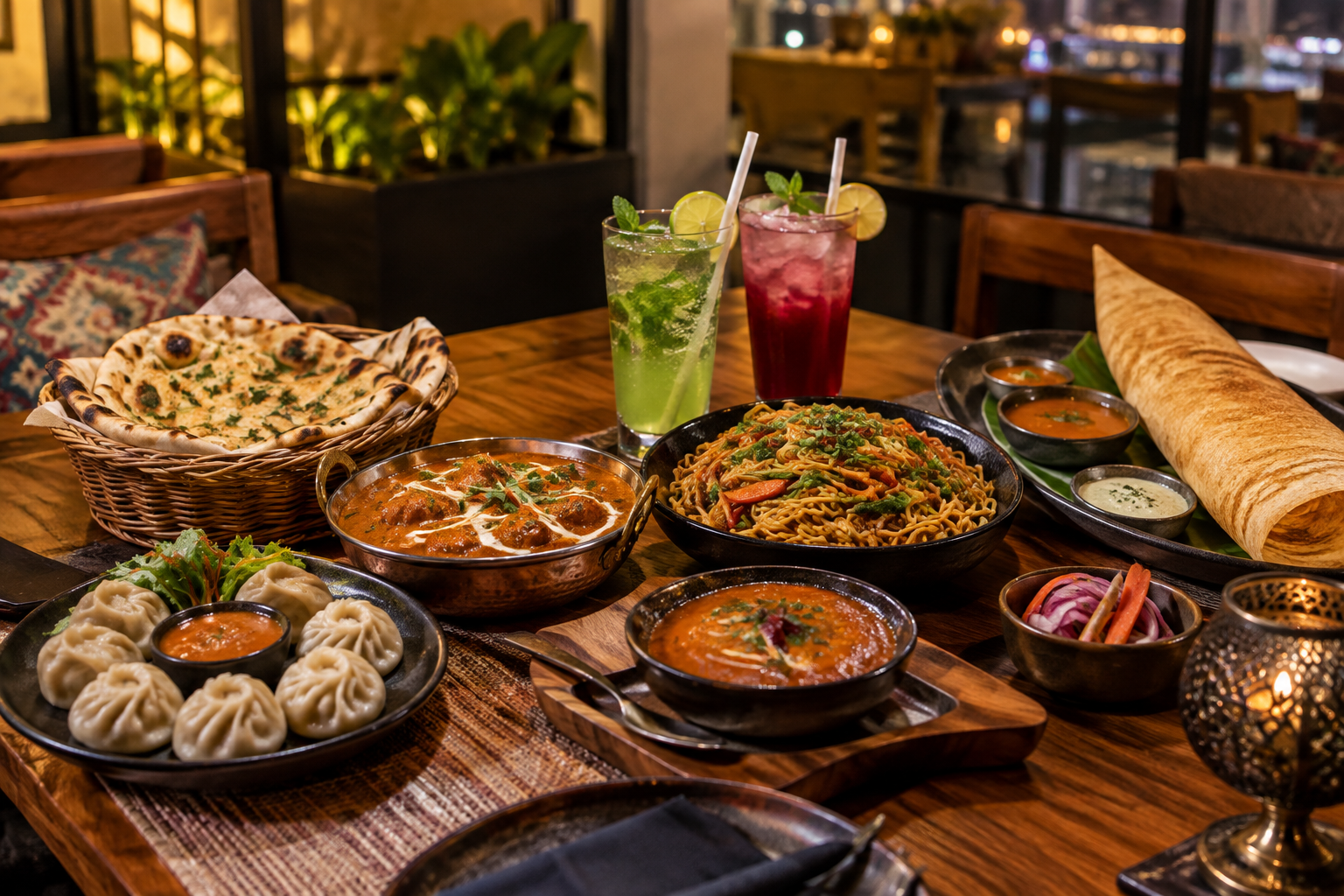
Serve hot with tandoori roti, naan, jeera rice, plain basmati rice, or lachha paratha. Add sliced onions, lemon wedges, and fresh coriander on the side. A cooling cucumber raita balances the chilli and spice. For a lighter meal, pair it with roti and a simple cabbage or cucumber salad.
Storage and Reheating
Cool leftovers promptly and refrigerate them in a covered container for up to 3 days. Reheat only the portion you need in a saucepan over medium-low heat with 1–2 tablespoons water, stirring until steaming hot throughout. Chicken should reach 74°C again. Do not leave cooked chicken at room temperature for more than 2 hours, or 1 hour in very hot conditions. The curry can be frozen for up to 2 months; thaw overnight in the refrigerator and reheat gently.
Safety Notes
Use a separate board and utensils for raw chicken, wash hands after handling it, and never reuse raw marinade unless it is boiled thoroughly as part of the curry. Check doneness with a food thermometer in the thickest piece near, but not touching, the bone. Keep hot oil away from water and never leave the pan unattended.
Frequently Asked Questions
Can I use boneless chicken?
Yes. Use 700 g boneless thigh meat and reduce the simmering time to about 15–20 minutes, checking that it reaches 74°C.
Why did my yogurt curdle?
The pan was probably too hot or the yogurt was added cold. Use room-temperature yogurt, keep the heat moderate, and stir continuously while it meets the hot masala.
Can I make this curry without mustard oil?
Yes. Neutral sunflower, canola, or peanut oil works well. Add a little ghee at the end for a richer aroma.
How can I make the gravy thicker?
Simmer uncovered for a few extra minutes, mash some softened onion and tomato into the sauce, or blend the masala before adding the chicken. Avoid adding flour.
Can I prepare it ahead?
Yes. The flavor often improves after several hours. Cool it quickly, refrigerate it, and reheat gently before serving.
Conclusion
Great dhaba-style chicken curry comes from well-browned onions, a properly cooked masala, gentle simmering, and a final rest. Follow the texture checks rather than relying only on the clock, and you will have a bold, tender curry ready for rice or fresh Indian breads.




Leave a Reply