
Introduction to Fish Curry
Fish curry is a beloved dish enjoyed across numerous cultures, each with its unique twist that reflects local traditions and ingredients. This dish can be found in various forms, from the aromatic South Asian varieties laden with spices to the light and tangy coastal versions found in Mediterranean cuisines. The history of fish curry is as diverse as the regions from which it originates, showcasing the adaptation of regional ingredients and culinary practices over centuries.
In India, for example, fish curry holds a prominent place in the culinary landscape, with different states offering distinctive interpretations. Kerala is renowned for its fish curry made with coconut milk and tamarind, while Bengali fish curry is often characterized by mustard seeds and a variety of herbs. These regional differences highlight the versatility of fish curry, which can be adapted to suit local tastes and available ingredients.
Moreover, the versatility of fish curry extends beyond its ingredients; it can be made with various types of fish, including cod, salmon, tilapia, and even shrimp. The spice combinations are limitless, ranging from the bold flavors of garam masala to the delicate notes of coriander and cumin. This adaptability enables cooks to personalize fish curry according to personal preferences or dietary restrictions.
Making fish curry at home can be a rewarding culinary experience. It allows individuals to explore a world of flavors while honing their cooking skills. The process of simmering fish in a rich, fragrant sauce offers not only a delicious meal but also the chance to connect with a rich cultural heritage. This dish embodies the idea of bringing people together; whether it’s a family dinner or a gathering of friends, a well-prepared fish curry can elevate any occasion, making it a staple in many households.
Ingredients Needed for Fish Curry
To create a flavorful fish curry, the selection of ingredients plays a crucial role. Fresh fish is central to the dish, and varieties such as salmon, cod, or tilapia are excellent choices. These fish types are readily available and provide a robust flavor that pairs well with spices. When selecting fish, look for fillets that are firm and have a fresh, ocean-like smell. Avoid fish that appears dull or has a strong fishy odor, as these can indicate lack of freshness.
Essential spices for fish curry typically include turmeric, cumin, coriander, and chili powder. Turmeric offers a warm, earthy flavor, and its vibrant color enhances the dish’s visual appeal. Cumin and coriander add depth, while chili powder introduces heat, which can be adjusted according to personal preference. Ground spices can be substituted with whole spices for a fresh aroma if desired, but be sure to toast them slightly to release their oils before blending into the curry base.
Herbs such as cilantro play a significant role in adding freshness to the curry. Fresh cilantro can be sprinkled on top just before serving, enhancing both flavor and presentation. Additionally, ingredients like coconut milk provide a creamy texture that balances the spices. If coconut milk isn’t available, alternatives such as heavy cream or yogurt can achieve a similar effect, although the taste may vary slightly.
Tomatoes are frequently included as well, lending acidity and sweetness. Fresh tomatoes work beautifully, but canned tomatoes can save time without sacrificing flavor. Regional variations of fish curry may include local ingredients or different types of seafood, ensuring that there is a version suitable for various dietary preferences, including vegetarian options that can replace fish with tofu or chickpeas.
Step-by-Step Cooking Instructions
To create a delicious fish curry at home, begin by gathering all necessary ingredients. Typically, you will need fresh fish, various spices, coconut milk or tomatoes, and a selection of vegetables. Selecting the right type of fish is essential; options like salmon or cod work well due to their firm texture.
The first step is to marinate your fish. Combine salt, turmeric, and lime juice in a bowl. Gently rub this mixture onto the fish and let it rest for at least 15 minutes. This marination not only infuses flavor but also helps in tenderizing the fish.
While the fish is marinating, prepare the curry base. Start by heating two tablespoons of oil in a pan over medium heat. Add finely chopped onions and sauté until they turn translucent. This process typically takes about 5-7 minutes. Next, incorporate minced ginger and garlic, stirring continuously for an additional minute until fragrant.
Once the onions are well-cooked, add your spices. Common choices include cumin, coriander, and a pinch of red chili powder for heat. Cook these spices for a couple of minutes to ensure that their flavors are released. If you prefer a milder curry, adjust the chili powder according to your taste.
After the spices are fragrant, incorporate your choice of vegetables and stir them in. Follow this by adding coconut milk or crushed tomatoes, resulting in a rich, creamy base. Allow the mixture to simmer for around 10 minutes so that the flavors meld together. Stir occasionally to prevent burning and ensure even cooking.
With the curry base prepared, gently add the marinated fish into the pan. Cover and cook on low heat for 8-10 minutes, or until the fish is fully cooked and flakes easily with a fork. You can monitor the cooking with a fork to ensure perfect texture without overcooking.
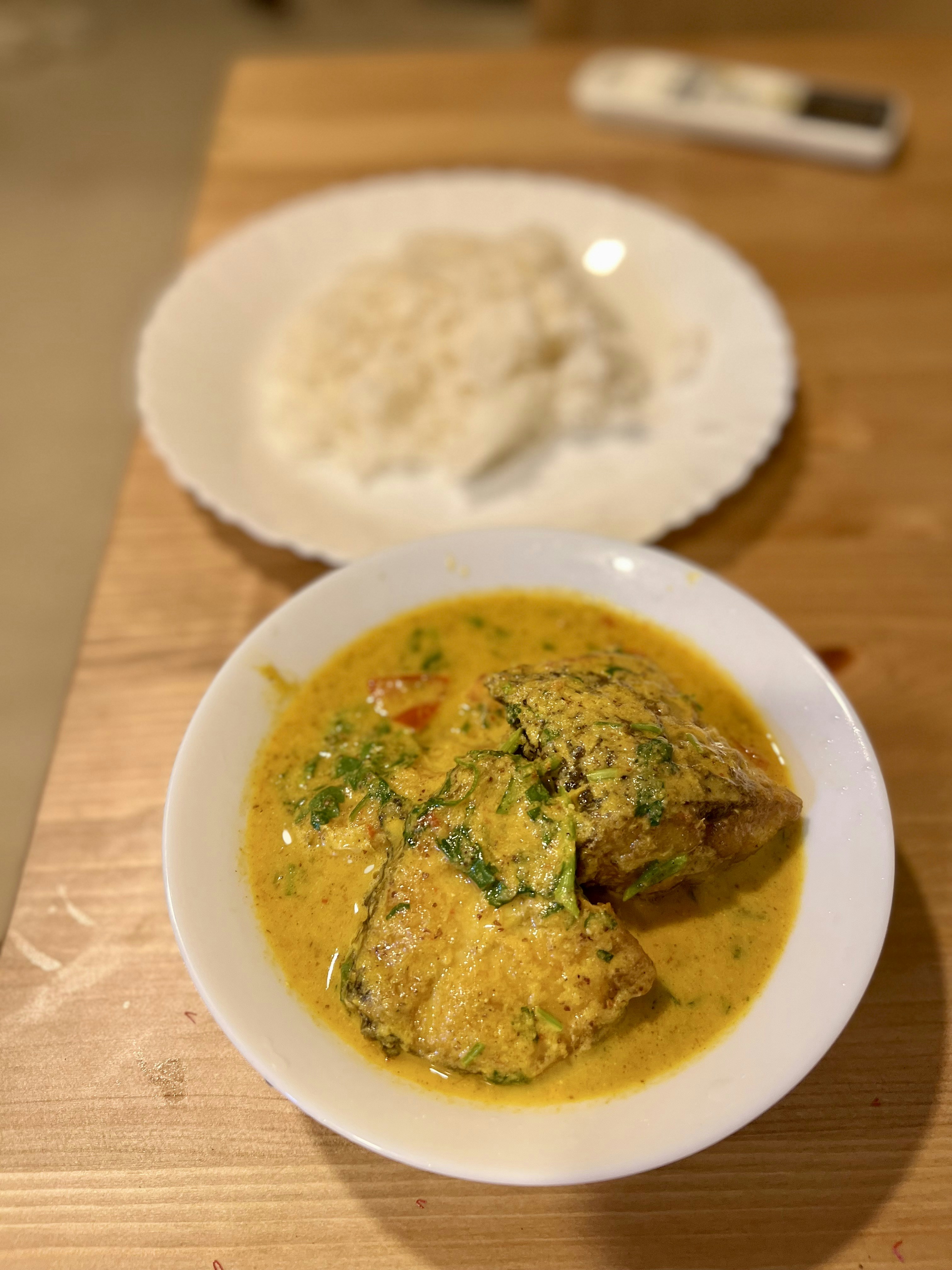
As you near the end of cooking, taste the curry and adjust the seasoning as needed. Adding fresh herbs, such as cilantro, can enhance the aroma and flavor. Ensure that your fish curry maintains a good balance of spices and creaminess, which is crucial for an excellent dish. Serve hot with rice or bread, and enjoy this delightful culinary experience.
Serving Suggestions and Variations
When it comes to serving fish curry, there are numerous opportunities to elevate the dish and tailor it to various palates. Pairing fish curry with steamed basmati or jasmine rice is a classic choice that allows the flavors of the curry to shine. The delicate grains of rice soak up the rich, infused coconut milk or spicy tomato sauce exceptionally well, creating a harmonious blend of flavors. Alternatively, for those seeking a heartier option, serving the curry alongside naan or roti can add a delightful texture and taste, resembling traditional Indian meals.
In addition to rice and bread, consider incorporating side dishes that complement the fish curry. Fresh salads, pickles, and yogurt-based dips, such as raita, can provide a refreshing contrast to the rich and spicy flavors of the dish. These additions not only enhance the meal but also offer a balance of tastes that can be appreciated across different cuisines.
Diving into variations, fish curry can be adapted to cater to diverse dietary preferences. Vegetarian-friendly options might feature tofu or chickpeas, allowing those who avoid seafood to enjoy a similar depth of flavor. For seafood lovers, experimenting with different types of fish, such as salmon or tilapia, can yield remarkable results, each bringing its unique texture and taste profile to the dish.
Presentation is key to enhancing the dining experience. A simple yet effective technique is to garnish the fish curry with fresh herbs, like cilantro or parsley, and a wedge of lime or lemon for a zesty finish. Serving your dish in a vibrant bowl or with colorful accompaniments can create an inviting visual appeal that encourages guests to dig in and savor the flavors. Through thoughtful pairing suggestions and culinary variations, one can create a memorable fish curry meal that caters to a wide range of preferences and occasions.


Leave a Reply