
Introduction to Indian Cuisine
Indian cuisine is renowned for its rich diversity and vibrant flavors, reflecting the myriad cultural influences and regional ingredients found across the subcontinent. Each state boasts its own unique culinary traditions, shaped by geography, history, and local resources. From the aromatic spices of the South to the robust flavors of the North, Indian dishes offer a sensory experience that captivates food enthusiasts worldwide.
At the heart of Indian cuisine lies an intricate use of spices, which are not just for flavor but also for their health benefits. Common spices such as cumin, coriander, turmeric, and garam masala are essential in most dishes and contribute to the distinctive taste and character of Indian food. Many recipes can vary dramatically, even within the same region, demonstrating the creativity and variety inherent in Indian cooking. For instance, the preparation of a simple curry can differ across households, influenced by family traditions and personal preferences.
The cultural significance of Indian cuisine extends beyond mere sustenance; it is often tied to festivals, rituals, and gatherings. Food plays a central role in celebrations and everyday life, signifying hospitality and community. As such, the preparation and sharing of dishes can create strong bonds among families and communities, showcasing regional pride and culinary heritage.
In recent years, the popularity of Indian food has surged among foreigners, who are increasingly drawn to its complex flavors and hearty aromas. Restaurants specializing in Indian dishes have proliferated globally, while home cooks experiment with recipes inspired by traditional fare. Through this growing appreciation, the rich tapestry of Indian cuisine continues to introduce international audiences to a world of flavors, contributing to a greater understanding of India’s cultural diversity.
1. Butter Chicken: A Creamy Delight
Butter Chicken, known in India as Murgh Makhani, is a dish that has captivated taste buds worldwide, particularly among foreign food enthusiasts. This dish originates from Delhi, where it was first created in the 1950s. It features a rich, creamy tomato-based sauce that adds to its allure, making it one of the most popular Indian dishes internationally.
The primary ingredients for Butter Chicken include chicken, butter, cream, tomatoes, and a blend of spices such as garam masala, cumin, and coriander. The chicken is usually marinated in a mixture of yogurt and spices, which helps tenderize the meat while infusing it with flavor. After marinating for several hours or overnight, the chicken is grilled or baked before being simmered in the luscious sauce.
To prepare Butter Chicken, start by marinating the chicken in yogurt, lemon juice, and spices for at least two hours. In a heavy-bottomed pan, melt a generous amount of butter and sauté chopped onions until they turn golden brown. Next, add ginger-garlic paste and cook until fragrant. Then, incorporate pureed tomatoes and let it simmer, allowing the flavors to meld together. Mix in the marinated chicken and cook until it is tender. Finally, finish the dish by stirring in cream, and adjust the seasoning as required.
Foreigners are particularly drawn to Butter Chicken for its creamy texture and aromatic flavors, which create a significant contrast with the spices commonly associated with Indian cuisine. The smooth blend of cream and butter balances the spices, making it palatable for those who may be new to Indian flavors. Additionally, the visual appeal of Butter Chicken, often garnished with fresh cilantro and served alongside naan or rice, further entices diners.
To achieve the perfect Butter Chicken at home, consider using fresh ingredients and allowing adequate marination time. For an extra depth of flavor, roasting the spices prior to adding them to the sauce can enhance the overall profile. Lastly, serving the dish with warm bread or fragrant basmati rice will complete this culinary experience.
Biryani: The Fragrant Rice Dish
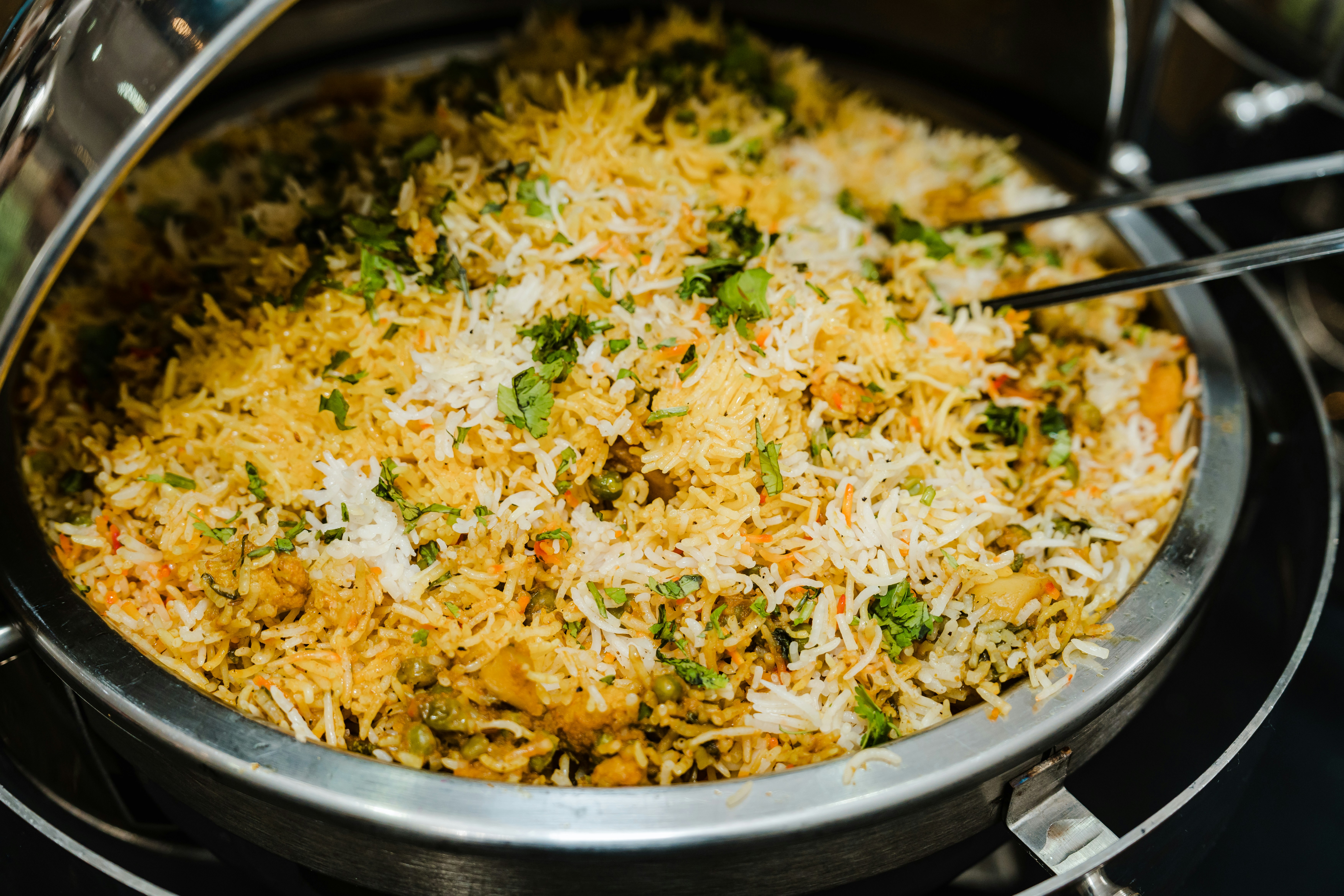
Biryani is an iconic Indian dish known for its rich flavors and aromatic spices. It is a mixed rice dish that originated from Persian cuisine but has evolved into various regional varieties in India. Among the most popular types are Hyderabadi and Lucknowi (Awadhi) biryanis, each offering a unique taste and cooking technique. The appeal of biryani lies not only in its flavor but also in its cultural significance, often served during celebrations and as a symbol of hospitality.
Hyderabadi Biryani is known for its spicy, fragrant rice, often prepared with marinated chicken or lamb, and cooked using the dum method, where the pot is sealed and placed over a slow fire. In contrast, Lucknowi Biryani typically has a milder flavor, focusing on the delicate infusions of saffron and subtle spices, with layers of meat and rice arranged beautifully to create a visually appealing dish.
To prepare a classic Chicken Biryani at home, one can follow a step-by-step guide that highlights essential spices and layering techniques. Start by marinating 500 grams of chicken with yogurt, ginger-garlic paste, red chili powder, turmeric, and garam masala. Let it sit for at least an hour to allow the flavors to penetrate the meat.
While the chicken is marinating, rinse 2 cups of basmati rice until the water runs clear, then soak it for 30 minutes. In a large pot, heat ghee or oil and sauté sliced onions until golden brown. Add whole spices like cardamom, cloves, and bay leaves to infuse the oil with their aromas. Incorporate the marinated chicken and cook until it’s tender.
Now, layer the soaked and drained rice over the chicken, adding a pinch of saffron soaked in warm milk to enhance its fragrance. Here, careful layering is vital—alternatively layer rice and chicken for an even distribution of flavors. Finally, cover the pot with a tight lid and cook on low heat for about 30 minutes. This steaming process melds all the ingredients together, creating a delicious Chicken Biryani that encapsulates the essence of the dish.
Samosa: The Perfect Snack
Samosas are undoubtedly one of the most popular appetizers not only in India but also around the world. This crispy, triangular pastry is typically filled with a savory mixture, making it an irresistible snack for many. The combination of spices and textures in Samosas appeals to a diverse range of palates, contributing to their international love and appreciation.
The classic Samosa filling consists of spiced potatoes, peas, and herbs, but there are numerous variations available, including meat fillings made from minced lamb or chicken, which have gained popularity among those who enjoy robust flavors. The cooking method also enhances their appeal; they are usually deep-fried to golden perfection, creating a satisfying crunch that contrasts with the soft, flavorful filling inside.
To make the traditional potato Samosa filling, begin with the following ingredients:
- 3-4 medium potatoes, boiled and mashed
- 1 cup green peas, boiled
- 1 teaspoon cumin seeds
- 1 teaspoon garam masala
- 1 teaspoon coriander powder
- 1-2 green chilies, finely chopped
- Salt, to taste
- Fresh coriander leaves, chopped
For a meat filling, you can replace the potato with ground meat (lamb, chicken, or beef) along with similar spices. Sauté the cumin seeds in a little oil, add the meat, and cook until browned. Then add the spices and any preferred vegetables.
Once prepared, make the pastry using all-purpose flour, water, and a pinch of salt, kneading the mixture until smooth. Roll out small circles, cut them in half, and fill with the prepared filling. Seal the edges by pinching the dough together to form a triangular shape.
To fry, heat oil in a deep pan until hot. Carefully slide in the prepared Samosas, frying them in batches until golden brown on all sides. Serve hot with a variety of dips such as mint chutney, tamarind sauce, or yogurt dip, which perfectly complement the flavors of Samosas. Variations include baked versions for a healthier choice and creative fillings such as cheese or lentils, showcasing the versatility of this beloved snack.
Paneer Tikka: A Vegetarian Favorite
Paneer Tikka is a popular Indian dish that captivates both vegetarians and non-vegetarians alike. This delectable dish consists of marinated cubes of paneer, which is a type of Indian cheese, grilled to perfection. Its enticing flavors and smoky aroma make it an appealing appetizer at meals or gatherings, showcasing the culinary prowess of Indian vegetarian cuisine.
The preparation of Paneer Tikka begins with marinating paneer cubes in a mixture of yogurt and a variety of spices, including garam masala, turmeric, and chili powder. The marinade not only helps to infuse flavor into the paneer but also tenderizes the cheese, ensuring a delightful texture. To enhance the flavor profile, one can also add ingredients such as ginger-garlic paste and lemon juice. Allowing the paneer to marinate for at least a couple of hours is advisable to maximize flavor absorption.
For an even deeper aromatic experience, incorporating vegetables like bell peppers, onions, and tomatoes into the skewer alongside the marinated paneer can introduce additional layers of taste and color. Grilling the marinated paneer and vegetables is traditionally done over charcoal, lending a unique smoky flavor. However, for practical purposes, using an oven or an electric grill can yield excellent results. Ensuring that the grill is preheated helps achieve a crispy exterior while keeping the inside soft and succulent.
Serving suggestions for Paneer Tikka include presenting it with green chutney, which is made from fresh coriander and mint, enhancing the dish’s freshness. Additionally, serving it alongside sliced onions and lemon wedges can elevate the overall dining experience. For those wishing to take the flavor further, garnishing with chaat masala just before serving can add an inviting zest. With its ability to please a wide audience, Paneer Tikka bridges the gap between vegetarian and non-vegetarian preferences, making it a favored choice in diverse gatherings.



Leave a Reply