
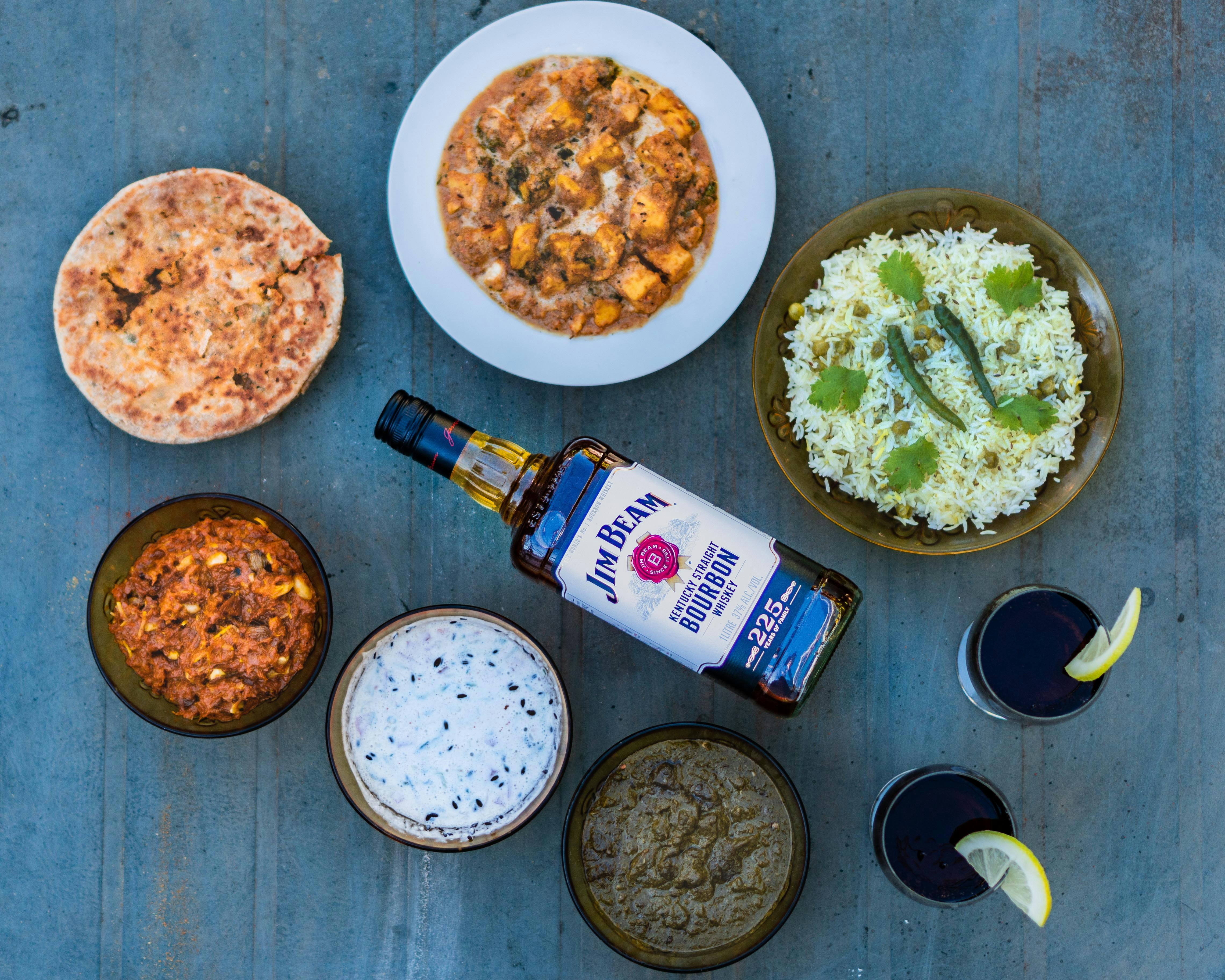
Introduction to Punjabi Cuisine
Punjabi cuisine offers a vibrant and diverse gastronomic experience, deeply rooted in the cultural and historical context of the Punjab region in northern India and Pakistan. Characterized by rich flavors, hearty ingredients, and a variety of cooking techniques, this cuisine reflects the agricultural abundance of the area, which is often referred to as the “breadbasket” of the subcontinent.
The food of Punjab is largely influenced by the region’s history, which includes the intermingling of various cultures and communities over centuries. Traditional Punjabi cooking often features an array of spices, creamy sauces, and wholesome ingredients, making it particularly appealing to a wide audience. Staples such as wheat, rice, and dairy products are predominant, with the use of fresh vegetables and legumes enhancing the nutritional value of meals.
One of the defining characteristics of Punjabi cuisine is the emphasis on robust flavors, with dishes often incorporating ingredients like garlic, ginger, cumin, and coriander. Cooking techniques also play a significant role, with an affinity for slow-cooking methods such as simmering and roasting, which help to develop the rich depths of flavor found in many recipes. Additionally, the famed tandoor (a traditional clay oven) is a hallmark of Punjabi cooking, imparting a unique smokiness to breads and meats alike.
The cultural significance of food in Punjab cannot be understated. Meals are often communal, reflecting the region’s strong emphasis on hospitality and togetherness. Food not only nourishes the body but also fosters connections among families and friends, encapsulating the warm spirit of Punjabi culture. In exploring Punjabi cuisine, one delves into a rich tapestry of flavors and traditions that illustrate the region’s heritage and love for food.
Makki di Roti and Sarson da Saag
In the rich culinary landscape of Punjab, few dishes resonate as profoundly as the pair of Makki di Roti and Sarson da Saag. This iconic combination features Makki di Roti, a flatbread made from cornmeal, and Sarson da Saag, a vibrant dish prepared from mustard greens. Known for its nutritional value, this meal holds a special place in the hearts of Punjabis, especially during the winter months when the mustard greens are at their peak.
To prepare Makki di Roti, cornmeal is kneaded with warm water and a pinch of salt, creating a pliable dough. After resting, the dough is rolled into flat rounds and cooked on a hot griddle until golden brown. The unique texture of this bread, which has a slightly gritty yet comforting feel, complements the rich and flavorful Sarson da Saag exceptionally well.
Sarson da Saag, on the other hand, begins with the careful selection of fresh mustard greens, which are steamed and then pureed to form a luscious base. This mixture is often enhanced with spices, a dollop of ghee, and sometimes even a touch of garlic or ginger to elevate the taste. Its earthy flavor profile pairs beautifully with the hearty Makki di Roti, creating a harmonious balance that epitomizes rustic Punjabi fare.
Regionally, variations of this dish may include the addition of other greens, such as spinach or bathua, tailored to local agricultural practices. Its cultural significance is evident during festivals like Lohri, where it is celebrated as a symbol of prosperity and a connection to the land. Ultimately, Makki di Roti and Sarson da Saag represents much more than just food; it embodies the warmth of Punjabi hospitality and the region’s agricultural heritage.
Chole Bhature
Chole Bhature is an iconic dish from Punjab that has gained immense popularity across India and in various parts of the world. This delicious meal primarily features two components: spicy chickpeas, known as “chole,” and deep-fried bread called “bhature.” The combination of these elements creates a hearty dish that is perfect for any time of the day, typically enjoyed during breakfast or lunch.
To prepare Chole Bhature, the key ingredient is chickpeas, which are soaked overnight and then cooked until tender. The cooking process involves adding a mix of spices, such as cumin, coriander, turmeric, garam masala, and chili powder, which infuse the chickpeas with rich flavors. The use of ginger, garlic, and onions in the preparation enhances the complexity of the dish, making it a delightful experience for the palate.
One of the standout features of Chole Bhature is the bhature itself. This is a type of fluffy, deep-fried bread that is made using all-purpose flour, yogurt, and a hint of baking powder to help it rise and become light and airy during frying. It is essential to knead the dough well and let it rest for at least half an hour, which aids in the elasticity of the dough and contributes to a perfect texture.
When it comes to cooking the bhature, it is vital to maintain the right oil temperature as this directly affects the final result. If the oil is too hot, the bhature will burn on the outside while remaining uncooked inside; if it is not hot enough, the bhature will absorb excessive oil, resulting in a greasy product. The ideal bhature should puff up while frying, achieving a golden-brown color and soft texture.
To serve this dish, the spicy chole is typically accompanied by the freshly fried bhature, alongside pickles, yogurt, or a side salad. The blend of flavors and textures make Chole Bhature not just a meal, but a feast that reflects the rich culinary heritage of Punjab.
Dal Makhani
Dal Makhani is a renowned dish from Punjab, celebrated for its rich, creamy texture and delightful flavor. This dish is primarily made with black lentils (urad dal) and kidney beans (rajma), which are slow-cooked to achieve a velvety consistency. Traditionally, Dal Makhani is cooked over low heat for several hours, allowing the flavors to meld together beautifully.
The secret to making an exceptional Dal Makhani lies in the cooking process. The lentils and beans need to be soaked overnight to ensure they soften properly. Once soaked, they are boiled until tender. However, the magic truly begins when these ingredients are cooked on a low flame with butter and cream. This technique not only enriches the flavor but also enhances the dish’s creamy profile, making it a favorite among many. While the slow cooking method might require patience, it is this very process that transforms simple ingredients into a luxurious meal.
Adding spices is crucial to elevate the taste of Dal Makhani. Commonly, a blend of cumin, garam masala, and a hint of chili powder are used to infuse warmth and depth. For those who prefer an aromatic touch, using ginger and garlic enhances the flavor further. Additionally, some cooks add tomatoes, which contribute to the dish’s richness while balancing out the creaminess. Incorporating these components in moderation ensures that the Dal Makhani maintains its classic taste without overpowering the palate.
Many chefs recommend finishing the dish with a dollop of butter and a sprinkle of fresh coriander, creating a visually appealing presentation and a burst of freshness. This dish is often paired with naan or rice, making it a satisfying main course in North Indian cuisine. The combination of the creamy lentils and the aromatic spices truly exemplifies the essence of Punjabi food, revealing why Dal Makhani remains a cherished classic.
Butter Chicken
Butter Chicken, also known as Murgh Makhani, is a staple dish originating from the Indian subcontinent that has gained immense popularity worldwide. This dish is celebrated for its rich, creamy sauce and succulent pieces of tandoori chicken, making it a beloved component of Punjabi cuisine. The perfect Butter Chicken strikes a balance between the savory flavors of spices and the richness of cream and butter, creating a delightful experience for the palate.
The key ingredients in Butter Chicken include chicken marinated in yogurt and spices, customary Indian spices, tomato puree, and a generous amount of butter and cream, which contribute to its luxurious texture and flavor. The marination process is essential, as it not only tenderizes the chicken but also infuses it with a variety of flavors, typically including garam masala, coriander, cumin, and chili powder. After marination, the chicken is cooked in a tandoor, giving it a distinctive smoky flavor that is one of the hallmarks of authentic Butter Chicken.
To prepare the sauce, a combination of pureed tomatoes and spices is simmered to develop a rich base. The addition of butter and cream transforms the sauce into a smooth and velvety consistency. As the sauce cooks down, it becomes the perfect accompaniment to the tandoori chicken, enveloping it in a flavorful embrace. Moreover, finishing the dish with a sprinkle of fenugreek leaves elevates the aroma and adds a subtle hint of bitterness that balances out the richness.
The final presentation of Butter Chicken is often accompanied by naan bread or basmati rice, allowing diners to savor every last drop of the exquisite sauce. Overall, mastering this dish is both an art and a deeply rewarding culinary endeavor, reflecting the vibrant and rich heritage of Punjabi cooking.
Aloo Paratha
Aloo Paratha is a beloved dish in Punjabi cuisine, characterized by its deliciously spiced potato filling encased in soft, golden-brown flatbread. This stuffed flatbread is not only popular for its taste but also for its versatility, making it a common choice for breakfast, lunch, or dinner. The preparation of Aloo Paratha is straightforward, yet it requires attention to detail to achieve the perfect texture and flavor.
To prepare Aloo Paratha, you will need a few essential ingredients: whole wheat flour for the dough, potatoes for the filling, and various spices such as cumin, coriander, and red chili powder for seasoning. Begin by boiling the potatoes until tender, then mash them in a bowl. Add the spices and mix thoroughly to ensure an even distribution of flavors. This simple yet flavorful filling is the heart of the dish.
Next, make the dough by kneading whole wheat flour with water until it reaches a smooth consistency. Allow it to rest for at least 20-30 minutes, which helps in rolling out the parathas more easily. Once the dough has rested, divide it into small balls and flatten one ball into a small circle. Place a generous amount of the spiced potato filling in the center, and fold the edges over to seal it securely. Proceed to roll the stuffed dough gently, ensuring the filling does not spill out.
To cook the Aloo Paratha, heat a tava or griddle over medium-high heat. Place the rolled paratha on the hot surface and cook until brown spots appear. Flip it over and lightly oil both sides to ensure a crisp texture. This delightful dish is often served with yogurt, pickles, or a side of butter, enhancing its rich flavors.
For variations, feel free to experiment with different fillings. Some may incorporate ingredients like paneer, mixed vegetables, or even lentils, diversifying your Aloo Paratha experience. Whether you prefer it spicy or mild, this dish offers a comforting taste of Punjabi heritage, making it a must-try for anyone exploring the region’s culinary delights.
Paneer Tikka
Paneer Tikka is a quintessential vegetarian kebab that is not only popular in Punjab but also across India. This delectable dish is made from paneer, which is a type of Indian cottage cheese. The appeal of Paneer Tikka lies in its rich flavors and delightful texture, making it a favored option for both vegetarians and non-vegetarians alike.
The marination process is crucial in preparing Paneer Tikka. Freshly cubed paneer is immersed in a mixture of yogurt and an array of spices, including turmeric, red chili powder, cumin, and garam masala. This combination not only enhances the flavor of the paneer but also tenderizes it, allowing the spices to permeate deeply. For the best results, it is recommended to let the paneer marinate for at least two hours or, better yet, overnight for a more robust flavor.
Once marinated, the paneer cubes are typically skewered with bell peppers, onions, and tomatoes. This mix of vegetables not only adds to the visual appeal of the dish but also contributes to the overall flavor. The skewered paneer and vegetables can then be grilled in a tandoor, which is a traditional clay oven, or alternatively, cooked on a barbecue grill or stovetop griddle. To achieve the perfect char and smoky flavor, ensuring that the grill is preheated and the paneer is cooked on high heat is essential.
For an authentic dining experience, Paneer Tikka is often served with green chutney, made from mint and coriander, and can be garnished with onion rings and lemon wedges. This dish is not only an excellent appetizer but can also be enjoyed as a side dish or a filling for wraps and rolls. The versatility of Paneer Tikka makes it a beloved choice at gatherings and celebrations.
Biryani
Biryani is a beloved dish that transcends regional boundaries in India, with Punjabi-style Biryani showcasing its own unique flair. This variant is celebrated for its fragrant rice and well-marinated meat or vegetables, bringing together a rich tapestry of flavors and aromas that represent the essence of Punjabi cuisine. The art of making Punjabi Biryani lies not only in the ingredients but also in the technique of layering, which allows for the harmonious blending of spices and their respective flavors.
The preparation of Punjabi Biryani typically begins with the selection of quality basmati rice, which is known for its long grains and aromatic qualities. The rice is partially cooked to ensure it retains its texture and does not become mushy during the final cooking process. Simultaneously, marinated meat, usually chicken or mutton, is prepared with a mixture of yogurt, ginger-garlic paste, and an array of spices such as cumin, cardamom, and cloves. The marination process is crucial; it not only infuses the meat with flavor but also tenderizes it, making for a succulent finished dish.
One of the distinctive features of Punjabi Biryani is the layering technique employed during cooking. Layers of the partially cooked rice and marinated meat are alternated in a heavy-bottomed pot, with each layer being seasoned with fried onions, fresh mint, and coriander. This method contributes to the unique flavor profile, as each grain of rice absorbs the aromas and richness of the spices, leading to an unforgettable dining experience.
The influences on Punjabi Biryani stem from various regional ingredients and cooking styles, reflecting the historical amalgamation of cultures in Punjab. The dish often includes an addition of vegetables, catering to different dietary preferences, and substituting meat with paneer or a mix of seasonal vegetables can also create a delightful vegetarian version. Whether enjoyed at a family gathering or a celebratory feast, Punjabi Biryani remains a quintessential dish that encapsulates the warmth and hospitality of Punjabi culture.
Gajar ka Halwa
Gajar ka Halwa, also known as carrot halwa or gajrela, is a classic dessert that epitomizes the sweet indulgence found in Punjabi cuisine. This traditional dessert is made primarily from grated carrots, simmered in milk and sweetened with sugar, resulting in a delicately flavored dish that captivates the taste buds.
The preparation of Gajar ka Halwa is an art in itself. Firstly, one must select fresh, juicy red carrots, which are essential for achieving the rich color and flavor that distinguish this dessert. The carrots are meticulously grated and then cooked in a mixture of full-fat milk and sugar until the liquid reduces to a thick, syrupy consistency. During the cooking process, the natural sweetness of the carrots melds beautifully with the creaminess of the milk, resulting in a delightful amalgamation of flavors.
Variations of Gajar ka Halwa can include an array of ingredients to enhance its richness. Common additions are khoya (a form of reduced milk), nuts such as almonds and pistachios, and aromatic spices like cardamom. These ingredients elevate the dish, giving it a festive touch, especially during celebrations. Some enthusiasts even incorporate coconut or dry fruits, offering a unique twist to the classic recipe.
When it comes to serving, Gajar ka Halwa is often garnished with finely chopped nuts, a sprinkle of cardamom powder, and sometimes, a dollop of fresh cream or ice cream for an extra indulgence. This dessert is typically enjoyed warm but can also be served cold, depending on personal preference.
In conclusion, Gajar ka Halwa is not just a dessert; it is a celebration of flavors and tradition in Punjabi culture. Its delightful sweetness, combined with the rich textures and the warmth of spices, makes it a beloved dish that is sure to delight anyone who experiences it, thus securing its place as a staple during festive occasions.


Leave a Reply